
A very interesting block was mined on Bitcoin this past week and if you aren’t on twitter or don’t like drama you may have missed its significance.
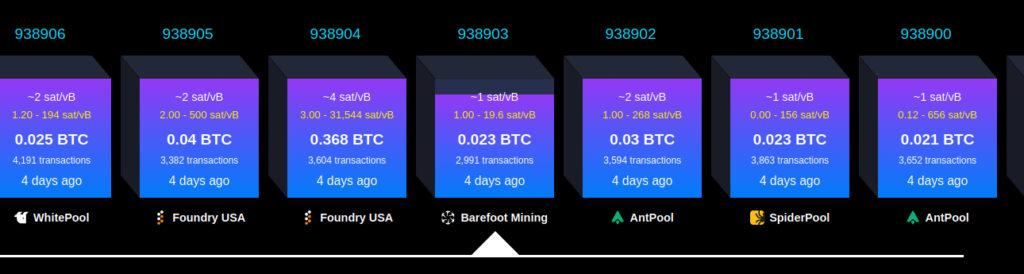
It was the first block “signaling” support for BIP 110. More specifically, a bitcoin miner just signalled for a change to Bitcoin in the block, and that might be more interesting than the change itself.
BIP 110 is a proposal that wants to limit arbitrary data on Bitcoin (i.e., ordinals, inscriptions, and other non-monetary transactions). This is the controversial “filter” fork that is being pushed by Ocean Pool employees and pseudonymous laser-eyed Bitcoin profiles on X.
The specific proposal isn’t particularly noteworthy, but the block is very interesting – and how it was created could have some big implications for Bitcoin’s consensus.
How bitcoin miners signal for upgrades
When a bitcoin block is produced, whoever mines it has the option to include arbitrary information in the block header. Satoshi, for example, included the famous “Chancellor on the brink” message in the Genesis Block.
But block headers also have a section called “nVersion” where miners can use a block to say that they will support a soft fork proposal or not. Every time we’ve had a fork in Bitcoin, there has been some period of signalling where miners all use that nVersion field to confirm that they are ready to enforce the new network rules.
In Bitcoin’s history, soft fork signaling has always been treated as a pool-level decision; in other words, pools would broadcast signals, not the individual miners themselves. During SegWit activation in 2017, everyone was watching the pools. Which pool was signaling? Which wasn’t?
That’s because pools control the block templates (i.e., the transactions and other data that are mined and published in a block). The pool operator decides what software to run, what signal it makes with nVersion, and what rules the blocks follow. Individual miners just point their hashrate at the pool and collect their sats.
When it’s successful, this signaling process gives way to what some call a miner-activated softfork, since the miners ultimately convey their willingness or not to adopt a certain upgrade.
Barefoot Mining introduces a new kind of miner-activated softfork
But this time it wasn’t the pool that signalled – it was one of the miners themselves
Bob Burnett’s bitcoin mining operation, Barefoot Mining, produced the block in question using Ocean Pool. But Ocean itself wasn’t signaling for BIP-110.
While Ocean provides software for miners to pool their hashrate, it does not necessarily produce the block template for its miners.
Burnett, who is also board member at Ocean) produced the block using one of his own machines. This is a bitcoin mining operator making an individual decision, and does not apply to the rest of the miners pointed to Ocean pool.
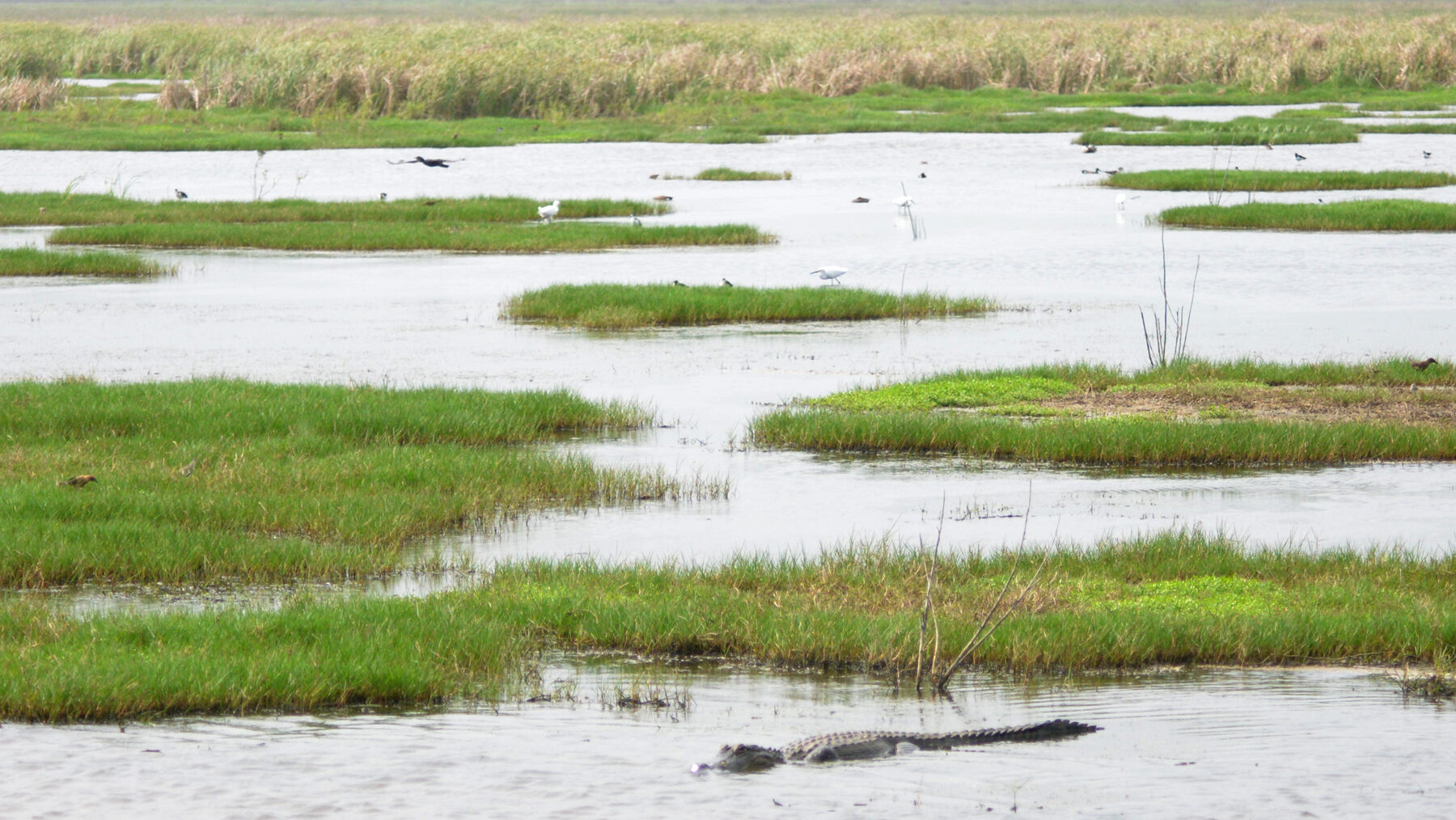
Burnett shared that the block was mined at one of Barefoot Mining’s “wild horse” sites at an off-grid operation powered by stranded natural gas. He shared a drone video of the site and pointed out that the footage was being filmed at the exact moment the block was produced.
Not your daddy’s soft fork activation
To drive home why this is interesting, we need to break down howOcean operates differently from most pools.
Ocean allows miners to construct their own block templates. That means Burnett was able to signal for BIP-110 from his own operation without Ocean, the entity, needing to make any kind of corporate decision about the soft fork.
In fact, if BIP-110 were to actually activate today and Burnett wanted to enforce it, he’d likely need to leave Ocean as the pool is currently regularly mining on a current version of Bitcoin that includes blocks that Bob’s new BIP 110 rules would otherwise invalidate.
Ocean isn’t currently enforcing BIP 110, so there’s a meaningful gap between what Burnett can signal and what he can enforce from within the pool.
When was the last time a solo miner signaled for a soft fork?
We’ve spent years in a world where soft fork politics are inseparable from pool politics. Foundry, Antpool, ViaBTC, F2Pool are the names that come up when people talk about miner-activated soft forks. They control the vast majority of Bitcoin’s hashrate and by extension they control signaling.
But BIP-110’s first signal didn’t come from a pool. It came from a guy running miners off a gas well in the middle of nowhere on a pool that lets him build his own block templates (although there is no guarantee that Ocean Pool will accept these templates).
I cannot find precedent for this in any of the previous Bitcoin forks. In the SegWit and Taproot eras signaling was done at the pool level. You arguably have to go to Bitcoin’s earliest years to find individual miners making soft fork signaling decisions independent of their pool.
A dose of realism
Burnett himself seems realistic about what comes next. In a follow-up post, he acknowledged that real momentum requires the big pools to move.
“Hash rate must move for something like BIP-110 to move,” he wrote, noting that without Antpool or Foundry, the proposal can’t gain enough momentum. “I hope our block broke the ice but I’m realistic that it will likely be slow,” he continued.
I also consider this proposal as having such negligible buy-in from Bitcoiners, because it makes Bitcoin worse money.
Right now pools clearly do not want to push for signaling, but Burnett’s actions throws an important question into the thorny discourse of soft fork activation: will the next soft fork will come from the miners themselves?