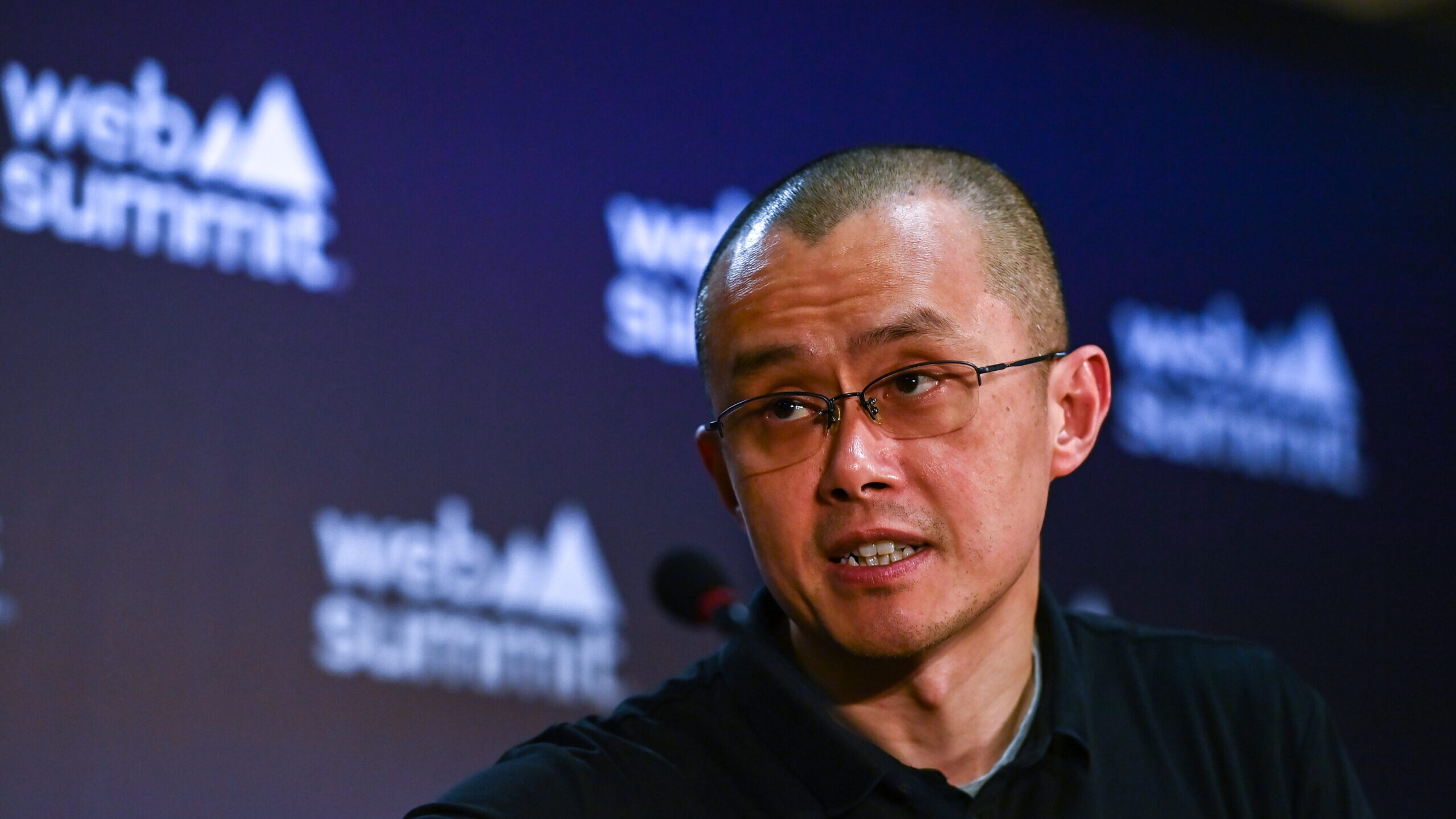

Binance founder Changpeng Zhao surpassed Microsoft (NASDAQ: MSFT) co-founder Bill Gates in total net worth as of Wednesday. Forbes estimates Zhao holds $110 billion to Bill Gates’ $108 billion, marking a $47 billion wealth increase over the past year.
Zhao ranks as the 17th richest person globally, primarily through his estimated 90% stake in the Binance cryptocurrency exchange.
Forbes values the private cryptocurrency exchange at $100 billion. Binance generates $16 billion to $17 billion in annual revenue, and the platform processes $30 trillion in yearly spot and derivatives trading volume.
Zhao claimed on X the publication estimate “defies logic” due to recent market dips.
Born in Jiangsu, China, in 1977, Zhao moved to Vancouver in the late 1980s, where he flipped burgers at McDonald’s and worked overnight gas station shifts to support his family. He later studied computer science at McGill University.
Zhao built a career developing high-frequency trading software for the Tokyo Stock Exchange and Bloomberg Tradebook. He discovered Bitcoin during a 2013 poker game and sold his Shanghai apartment to invest in the cryptocurrency. His net worth remained in the low single-digit millions before launching Binance in 2017..
The cryptocurrency exchange was meteorically successful and established Zhao as a billionaire within months. Binance maintains a 38% share of the global cryptocurrency exchange market.
The U.S. Department of Justice charged Binance and Zhao with anti-money laundering and sanctions violations in late 2023. Zhao pleaded guilty and resigned as CEO. He paid a $50 million fine and completed a four-month federal prison sentence in California, while Binance paid a $4.3 billion corporate penalty.
Current Binance CEO Richard Teng shifted the exchange’s focus toward compliance and global regulatory cooperation. Binance recently integrated into traditional finance circles through partnerships involving political figures and Middle Eastern funds. Lingering U.S. media reports indicate internal compliance friction regarding sanctioned entities poses future regulatory challenges.
Header image by PO1_4700 via Creative Commons.