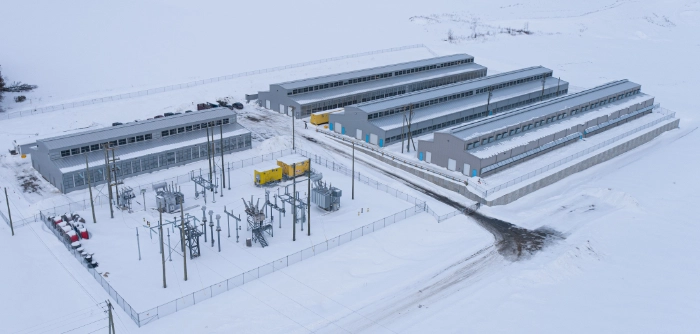

As Winter Storm Fern wracked middle America over the weekend, bitcoin miners in the PJM and TVA regions curtailed operations to support the grid as the arctic front left more than 1 million customers without power.
Prior to the storm, PJM Interconnection issued precautionary alerts for its service area covering 13 states and the District of Columbia. The power authority said that the “formidable arctic cold front,” bringing with it single digit temperatures, had the potential to drive peak demand to exceed 130,000 MW for seven straight days – an unprecedented streak.
To address the demand, the Department of Energy issued an order allowing PJM generators to run at maximum output, bypassing environmental limits through January 31. PJM called for a pre-emergency demand response in the BGE, Dominion, and Pepco areas on Sunday, and the operator called for conservative operations through February 1.
The Tennessee Valley Authority (TVA) region was hit with the most power outages of any area, with approximately 253,000 customers in Tennessee lacking power at the time of publication. Nashville and Northern Mississippi bore the brunt of physical grid failures.
CleanSpark (NASDAQ: CLSK) CEO Matthew Schultz confirmed in a post Sunday that the bitcoin miner, which operates in East Tennessee, curtailed operations to “push power back to support critical needs.” Schultz noted the move demonstrates the value of interruptible loads to balance and protect the grid.
Evidencing the scale of bitcoin mining curtailment in the U.S., Bitcoin’s hashrate has dropped roughly 8% since the storm swept the midwest and southeast.
Leading bitcoin mining pool Foundry, which services most of the industrial-scale publicly traded miners, saw its hashrate fall 60% from 340 EH/s to 136 EH/s as further proof of widespread curtailment from U.S. bitcoin miners.
Multiple publicly traded bitcoin miners operate in the affected regions, including CleanSpark, Riot (NASDAQ: RIOT), Bitdeer (NASDAQ: BTDR), Bitfarms (NASDAQ: BITF), Core Scientific (NASDAQ: CORZ), and Cathedra (OTC: CBTTF).
🚨 PJM issues 5pm update:
— matthew sigel, recovering CFA (@matthew_sigel) January 26, 2026
Activates demand response.
Largest US grid by electricity consumption says may set new all-time winter peak load on Tuesday, Jan. 27. $BITF now likely curtailing; $BTDR possibly.
UPDATED chart ⬇️ https://t.co/EicblqyBFJ pic.twitter.com/JcatUfaJqB
VanEck’s Head of Digital Asset Research Matthew Sigel noted that “most curtailed capacity will earn more [dollars per kilowatt] from shutting down than they would from mining.” In such events, bitcoin miners can receive curtailment credits or sell power back during peak pricing events.
Sigel also noted the drop in Bitcoin’s hashrate caused network congestion and resulted in 14-minute block times. Mining stocks traded “modestly lower” in pre-market trading but showed resilience compared to Bitcoin price weakness.
Fern left over 1 million homes and businesses without power and is the largest widespread winter storm in the US since Winter Storm Jonas in 2016.
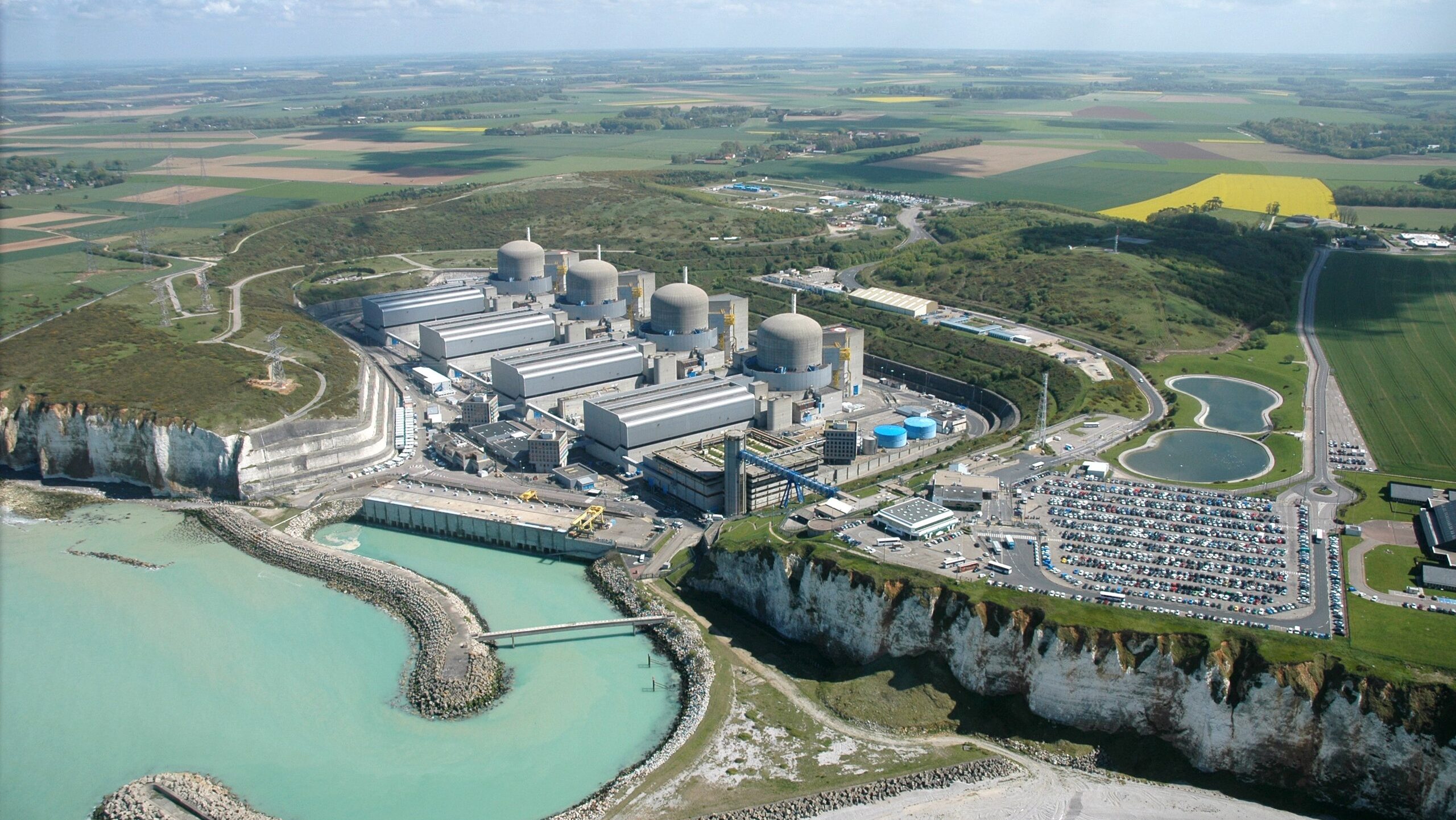
Header image by IndianaUser via Wikimedia Commons.