

Galaxy Digital (NASDAQ: GLXY) reported a net loss of $482 million in the fourth quarter as falling digital asset prices weighed on results, according to financial statements released Tuesday.
The company said the quarterly loss translated to diluted earnings per share of -$1.08. Galaxy said results were driven primarily by a roughly 24% decline in total cryptocurrency market capitalization during the quarter.
The #1 podcast for emerging tech stocks, Bitcoin, and weekly news analysis. Subscribe to the Blockspace Podcast here, on Apple, Spotify, or anywhere you listen to podcasts.
For the full year, Galaxy reported a net loss of $241 million, or diluted earnings per share of -$0.61. The company said annual results were affected by lower digital asset prices and about $160 million in one-time costs tied to bitcoin mining infrastructure, its corporate reorganization, and accounting impacts related to exchangeable notes.
Despite the losses, Galaxy reported full-year adjusted gross profit of $426 million and adjusted EBITDA of $34 million. Adjusted gross profit and adjusted EBITDA are non-GAAP measures used by the company to exclude transaction expenses and other items.
As of December 31, Galaxy reported total equity of $3.0 billion and cash and stablecoin holdings of $2.6 billion. Total assets stood at $11.3 billion.
Read more: Rosenblatt holds Galaxy Digital price target at $46 despite slower Q4
Global Markets & Asset Management
In its Global Markets segment, Galaxy reported adjusted gross profit of $30 million in the fourth quarter, down from a record quarter earlier in the year. The company said digital asset trading volumes declined about 40% from the prior quarter following an unusually active third quarter that included a $9 billion notional bitcoin transaction. Average loan book size increased slightly to $1.8 billion, which Galaxy said reflected sustained client demand despite lower asset prices.
The Asset Management and Infrastructure Solutions segment generated $21 million in adjusted gross profit in the fourth quarter. Galaxy reported $6.4 billion in assets under management and $5.0 billion in assets under stake at quarter end. The company said quarter-over-quarter declines in those figures were primarily driven by depreciation in digital asset prices rather than client outflows.
Galaxy said its asset management business recorded $2.0 billion in net inflows during 2025, representing 34% organic growth. The company also expanded its institutional staking platform during the year through multiple integrations with global custodians and the acquisition of staking software firm Alluvial Finance.
Helios Data Center
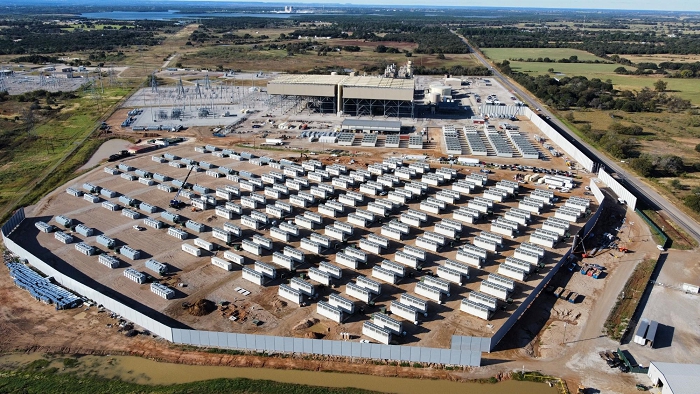
In its Data Centers segment, Galaxy reported adjusted gross profit of $4.6 million in the fourth quarter. The company said construction at its Helios data center campus in Texas is substantially complete for Phase I, with commissioning underway. Galaxy expects to deliver 133 megawatts of critical IT load to CoreWeave in the first half of 2026 under a long-term lease agreement.
Read more: Galaxy Digital signs longterm hosting agreement with CoreWeave
In January, Galaxy said it received approval from the Electric Reliability Council of Texas (ERCOT) for an additional 830 megawatts of power capacity at the Helios campus, bringing total approved capacity to more than 1.6 gigawatts. The company said it has executed long-term agreements covering 800 megawatts of capacity and anticipates more than $1 billion in average annual revenue once all contracted phases are delivered.
For the fourth quarter, Galaxy reported adjusted EBITDA loss of $518 million, compared with positive adjusted EBITDA in the prior quarter. The decline was largely attributed to unrealized losses in the company’s Treasury and Corporate segment, which maintains exposure to digital assets and related investments.
Disclosure: Blockspace Media maintains a limited commercial sponsorship arrangement with Galaxy Digital. However, coverage was not paid for by Galaxy, nor did Galaxy provide the information contained in this report.